



Compression fitting
A compression fitting is a type of coupling used to connect two pipes or a pipe to a fixture or valve. It is widely used in plumbing, gas lines, and hydraulic systems due to its ease of installation, reliability, and ability to create a leak-proof seal without the need for soldering or welding. The fitting is designed to work with a variety of materials, including copper, plastic, and stainless steel, making it versatile for different applications.The primary components of a compression fitting include a compression nut, a compression ring (also known as a ferrule), and the fitting body. The compression nut is threaded and is used to tighten the fitting onto the pipe. The compression ring, typically made of brass or copper, is a small, cylindrical piece that deforms when the nut is tightened, creating a tight seal around the pipe. The fitting body is the main structure that connects to the pipe or fixture.The installation process for a compression fitting is straightforward. First, the pipe is cut to the desired length and deburred to ensure a smooth surface. The compression nut is then slid onto the pipe, followed by the compression ring. The pipe is inserted into the fitting body, and the compression nut is tightened using a wrench. As the nut is tightened, it compresses the ring against the pipe and the fitting body, creating a secure and leak-proof connection.One of the key advantages of compression fittings is their ability to be disassembled and reassembled, making them ideal for applications where maintenance or modifications may be required. Unlike soldered or welded connections, which are permanent, compression fittings can be easily removed and reused without damaging the pipe or fitting.Compression fittings are available in various shapes and sizes to accommodate different piping systems. Common types include straight connectors, elbows, tees, and unions. They are also designed to handle different pressure ratings, ensuring compatibility with both low-pressure and high-pressure systems.While compression fittings are generally reliable, proper installation is crucial to prevent leaks. Over-tightening the compression nut can damage the fitting or pipe, while under-tightening may result in an inadequate seal. It is also important to ensure that the pipe is properly aligned with the fitting body to avoid misalignment issues.In summary, compression fittings are a practical and efficient solution for creating secure connections in piping systems. Their ease of installation, versatility, and reusability make them a popular choice in various industries. By following proper installation techniques, compression fittings can provide long-lasting, leak-free performance in a wide range of applications.
Products
Category:
-
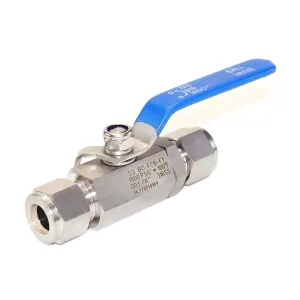
Compression fitting straight Bo ball valve
Category: Valve Group SeriesBrowse number: 140Number:Release time: 2025-08-05 14:09:56Features of BO ferrule straight-through ball valve: Working pressure: 1000 psig, 2000 psig Temperature: -54°C to +150°C Diameter: 1/4"~1", 6mm~25mm Port types: Ferrule, threaded Materials: 304, 316SS, 321, Hastelloy, Monel alloy -
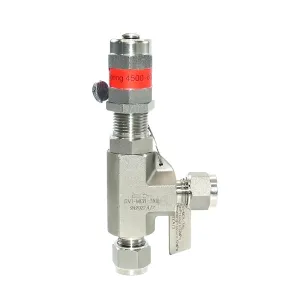
Compression fitting unloading valve
Category: Valve Group SeriesBrowse number: 124Number:Release time: 2025-08-06 16:03:53Product Materials: 316, 316L, copper, etc.Set Pressure: 32 MPa (50 to 6000 PSI)Operating Temperature: -23°C to 148°C (-10°F to 300°F)Port Size: 1/8" - 1/2", 3 mm - 12 mmPort Types: Double Ferrule, Threaded
News
Category:
No search results found!
Case
Category:
No search results found!
Video
Category:
No search results found!
Download
Category:
No search results found!
Job
Category:
No search results found!
Featured Products
No search results found!



 WhatsApp
 Phone