



Tube Refrigerant Type
Tube Refrigerant Type: An OverviewRefrigerants are essential components in various cooling systems, including air conditioners, refrigerators, and heat pumps. The type of refrigerant used in these systems plays a critical role in determining their efficiency, environmental impact, and overall performance. Tube refrigerant types refer to the specific refrigerants used in tube-based heat exchangers, which are commonly found in HVAC (Heating, Ventilation, and Air Conditioning) systems. This article provides an overview of tube refrigerant types, their characteristics, and their applications. What is a Refrigerant?A refrigerant is a substance used in a refrigeration cycle to absorb heat from one area and release it in another. It undergoes phase changes between liquid and gas states to facilitate heat transfer. The choice of refrigerant depends on factors such as thermodynamic properties, safety, environmental impact, and compatibility with system components. Common Tube Refrigerant Types1. Chlorofluorocarbons (CFCs): Historically, CFCs like R-12 were widely used due to their stability and efficiency. However, they were found to contribute significantly to ozone layer depletion. As a result, their production and use have been phased out under international agreements like the Montreal Protocol.2. Hydrochlorofluorocarbons (HCFCs): HCFCs, such as R-22, were introduced as transitional replacements for CFCs. While they have a lower ozone depletion potential (ODP), they still contribute to environmental harm. Many countries are now phasing out HCFCs in favor of more sustainable alternatives.3. Hydrofluorocarbons (HFCs): HFCs, including R-134a and R-410A, became popular due to their zero ODP. However, they have a high global warming potential (GWP), making them less environmentally friendly. Efforts are underway to replace HFCs with lower-GWP alternatives.4. Hydrofluoroolefins (HFOs): HFOs, such as R-1234yf and R-1234ze, are the next generation of refrigerants. They have a significantly lower GWP and are considered more environmentally sustainable. HFOs are increasingly being adopted in modern cooling systems.5. Natural Refrigerants: Natural refrigerants like ammonia (R-717), carbon dioxide (R-744), and hydrocarbons (e.g., propane R-290) are gaining attention due to their low environmental impact. They have zero ODP and very low GWP. However, their use requires careful handling due to safety concerns. Factors Influencing Refrigerant Selection1. Environmental Impact: The ODP and GWP of a refrigerant are critical factors in its selection. Refrigerants with lower environmental impact are preferred to comply with global regulations and reduce carbon footprints.2. Thermodynamic Properties: The efficiency of a refrigerant depends on its boiling point, heat capacity, and thermal conductivity. These properties determine how effectively the refrigerant can absorb and release heat.3. Safety: Refrigerants must be non-toxic, non-flammable, and chemically stable under operating conditions. Safety considerations are particularly important for natural refrigerants like ammonia and hydrocarbons.4. System Compatibility: The refrigerant must be compatible with the materials used in the system, such as tubes, compressors, and seals. Incompatibility can lead to system failures or reduced lifespan.5. Cost and Availability: The cost and availability of refrigerants also influence their selection. While some refrigerants may be more efficient, their high cost or limited supply can make them less practical. Applications of Tube RefrigerantsTube refrigerants are used in a wide range of applications, including:- Air Conditioning Systems: Tube heat exchangers in air conditioners rely on refrigerants to cool indoor spaces efficiently. - Refrigeration Systems: Refrigerants are essential for maintaining low temperatures in refrigerators and freezers. - Heat Pumps: These systems use refrigerants to transfer heat between indoor and outdoor environments for heating or cooling purposes. - Industrial Cooling: Refrigerants are used in industrial processes that require precise temperature control. Future TrendsThe refrigeration industry is moving toward more sustainable and environmentally friendly refrigerants. Innovations in HFOs and natural refrigerants are expected to dominate the market in the coming years. Additionally, advancements in tube technology, such as microchannel tubes, are improving the efficiency of heat exchangers and reducing refrigerant charge requirements. ConclusionTube refrigerant types are a critical aspect of modern cooling systems. The choice of refrigerant impacts not only the performance of the system but also its environmental footprint. As the industry continues to evolve, the focus is shifting toward refrigerants that balance efficiency, safety, and sustainability. By understanding the characteristics and applications of different refrigerants, stakeholders can make informed decisions that align with global environmental goals.
Products
Category:
Bourdon Tube Refrigerant Type
-
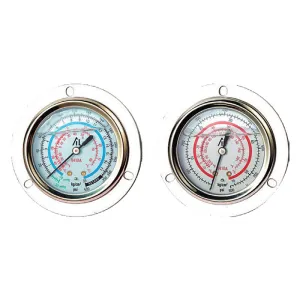
B23.94E
Category: Bourdon Tube Refrigerant TypeBrowse number: 143Number:Release time: 2025-08-11 15:41:38Stainless Steel Case,Panel Mount, Liquid Filled Type -
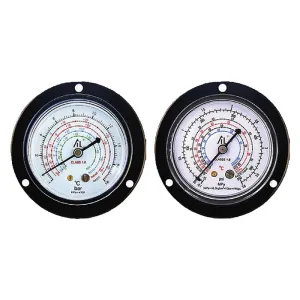
B21.94E
Category: Bourdon Tube Refrigerant TypeBrowse number: 161Number:Release time: 2025-08-11 15:51:43Iron or Black Steel Case,Panel Mount -

B21.91F
Category: Bourdon Tube Refrigerant TypeBrowse number: 174Number:Release time: 2025-08-11 15:57:18Standard Type

News
Category:
No search results found!
Case
Category:
No search results found!
Video
Category:
No search results found!
Download
Category:
No search results found!
Job
Category:
No search results found!
Featured Products
No search results found!



 WhatsApp
 Phone